
Project Report for Latex Foam Manufacturing
Sharda Associates creates CA-certified latex foam project reports and has delivered over 45,500 of them. beginning at ₹2,999. Natural latex foam, derived from rubber tree sap, is at the forefront of the change in India’s sleep and mattress sector toward high-end, health-conscious products. Since India is a significant source of natural rubber, the production of latex foam links domestic raw materials to the rapidly expanding market for high-end mattresses and pillows.
Get Your Report
What Is Latex Foam?
Latex foam is a cellular rubber substance made from either natural rubber latex (the milky sap extracted from rubber trees) or synthetic latex (a replacement obtained from petroleum), which is then frothed and vulcanized to create a foam structure. The end product is a material with a unique set of qualities: high resilience (it instantly regains its shape after compression), durability (natural latex foam products typically last 10–15+ years with proper care), breathability (the open-cell structure allows airflow, which is important for temperature regulation), and natural antimicrobial/dust-mite-resistant properties (inherent to natural latex).
These properties make latex foam the preferred material for premium mattresses, pillows, cushions, and seating products, where comfort, durability, and health considerations (particularly for allergy sufferers, thanks to latex’s natural resistance to dust mites and mould) drive purchasing decisions.
India has a structurally advantageous position for latex foam manufacturing: it is one of the world’s leading natural rubber producing countries, with Kerala being the dominant rubber-growing region, allowing direct access to the primary raw material (natural rubber latex) that many other countries must import. This raw material accessibility provides a significant economic and supply-chain advantage for India-based latex foam makers, especially when compared to countries that must import natural latex.
Types of Latex Foam Products a Manufacturing Unit Can Produce
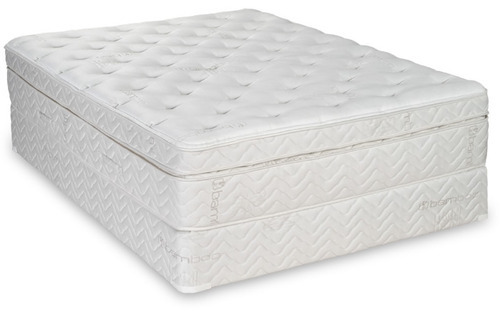
- Natural Latex Mattress Cores – High-quality latex foam slabs used in luxury mattresses.
- Latex Pillows – Standard and orthopedic pillows are in high demand in retail and online.
- Rubberized Coir Mattresses: Latex-bonded coir products are commonly used in the Indian bedding sector.
- Latex Foam Cushions – Used in furniture, vehicle seats, and institutional settings.
- Synthetic/Blended Latex Foam – A low-cost foam for use in mattresses and cushioning.
- Latex Foam Sheets – Used for packaging, industrial padding, and cushioning.
Market Demand for Latex Foam Manufacturing
India’s Premium Mattress Market Growth: The organized mattress business in India has developed dramatically as branded mattress companies (both established Indian brands and newer D2C mattress startups) have increased distribution and consumer knowledge of mattress quality. Natural latex occupies the premium tier in this expansion, fetching much higher price points than foam (PU) or spring mattresses, and latex foam core makers serve this premium sector as a B2B input supplier to mattress brands.
Health and Wellness-Driven Consumer Shift: Rising consumer awareness of sleep quality, allergy concerns (dust mites, mould — areas where natural latex has genuine advantages), and “natural/organic” purchasing preferences are driving demand for natural latex products over synthetic alternatives — a structural tailwind for natural latex foam manufacturers (as opposed to the broader foam/mattress market).
Rubberized Coir — Distinctly Indian Demand: Rubberized coir mattresses have a long-standing and thriving market in India, particularly in South India, combining the cost advantage of coir with the durability improvement of latex bonding — a product category with less import competition than pure latex products due to its unique Indian material combination.
Hospitality and Institutional Sector: Apart from retail/consumer mattress sales, hotels (especially mid-range and premium segments positioned on sleep quality) and healthcare facilities (where pressure-relieving and hygienic properties matter) represent a B2B institutional channel for latex foam products.
Project Cost for Latex Foam Manufacturing Unit
Cost Component | Small Unit (₹) | Medium Unit (₹) |
Latex frothing/mixing machine | 4,00,000–8,00,000 | 9,00,000–18,00,000 |
Moulds (mattress core, pillow — multiple sizes) | 2,00,000–4,00,000 | 4,00,000–8,00,000 |
Vulcanisation oven/curing chamber | 3,00,000–6,00,000 | 6,00,000–12,00,000 |
Washing and drying equipment | 1,50,000–3,00,000 | 3,00,000–6,00,000 |
Natural latex / synthetic latex raw material (3 months) | 3,00,000–6,00,000 | 6,00,000–12,00,000 |
Packaging + working capital | 1,50,000–2,50,000 | 2,50,000–5,00,000 |
Total Project Cost | ₹15–29.50 lakh | ₹30.50–61 lakh |
PMEGP: Up to ₹50 lakh → 15–35% capital subsidy. Above ₹50 lakh requires MSME term loan.
Manufacturing Process
- Preparing latex compounds: Depending on the formulation for the intended product (mattress core density, pillow softness, etc.), natural rubber latex (concentrated, usually 60% dry rubber content) or synthetic latex is combined with vulcanizing agents, foaming agents, and other additives.
- Frothing: To produce the cellular foam structure, the compounded latex is mechanically whipped or frothed, incorporating air into the liquid latex. The density and stiffness of the foam—a crucial process control parameter—are determined by the degree of frothing.
- Moulding: The frothed latex is poured into molds of the desired shape, such as pillow shapes or mattress core slabs with pin-core perforations for the distinctive latex mattress ventilation pattern.
- Gelation and vulcanization: The molded latex foam is gelled (set into a stable foam structure) and then vulcanized (heat-cured in an oven or chamber, usually at a controlled temperature for a specified duration). This process permanently sets the rubber molecular structure, giving the foam its distinctive durability and resilience.
- Washing: Vulcanized foam is cleaned to get rid of any remaining processing chemicals, which is crucial for products labeled as natural or hypoallergenic as well as for product quality (odor, skin contact safety).
- Drying: Before being processed further, washed foam is dried, usually in tunnel dryers.
- Cutting and finishing: If necessary, foam cores or sheets are cut to final measurements before being packaged or transferred to mattress assembly (cover sewing, etc., if the unit also does full mattress assembly).
- Density, resilience: (indentation load deflection, or ILD), and durability testing in accordance with applicable IS requirements for foam materials used in bedding comprise quality testing.
What Our Latex Foam Project Report Covers
- Product line: cushions/seating pads, rubberized coir, pillows, mattress cores, synthetic/blended foam
- Latex compounding, foaming, molding, vulcanization, washing, and finishing are all steps in the manufacturing process.
- Natural versus synthetic latex: accurately evaluating raw material strategy and cost implications
- Sourcing raw materials: Kerala’s supply chain for natural rubber latex and synthetic latex substitutes
- List of machinery with references to supplier quotes
- 5-year utilization plan and installed capacity
- Market analysis: domestic rubberized coir market, B2B mattress brand supply, hospitality/institutional, export
- CMA statistics on revenue estimates by product category and density grade DSCR greater than 1.25 · creation of PMEGP jobs Schedule of repayment
Why Choose Sharda Associates
- 45,500+ Project Reports Completed: Proficient in PMEGP project reports, foam production, and rubber processing.
- Natural Rubber Sourcing Advantage: Properly documented advantages of regional sourcing and raw material procurement.
- Natural vs. Synthetic Latex Strategy: Advice on how to position premium and low-cost products according to the size of the investment.
- Rubberized Coir Opportunity Covered: Where appropriate, additional revenue potential from latex-bonded coir products is provided.
- B2B Mattress Industry Modelled: Revenue forecasts created to supply bedding brands and mattress makers.
- DSCR Verified Above 1.25: To facilitate bank loan approval, financial estimates are examined and verified prior to delivery.
- Starting at ₹2,999 · 24–48 working hours ·
📞 +91 89899 77769 | All India service
Frequently Asked Questions
Latex foam is a cellular rubber substance that is created by foaming and vulcanizing synthetic or natural rubber latex (rubber tree sap) to create a foam structure. In contrast to standard polyurethane (PU) foam, latex foam has better breathability because of its open-cell structure, more durability (10–15+ years for natural latex products), and inherent antimicrobial and dust-mite-resistant qualities.
Yes, rubber and foam product manufacturing projects up to ₹50 lakh are eligible for a 15–35% PMEGP capital subsidy. A project report in the CA-certified KVIC format that includes a section on employment generation is required. MSME term loan finance, rather than PMEGP, is needed for larger projects. Both formats are prepared by Sharda Associates for ₹2,999.
Kerala is the primary growing region of India, one of the top producers of natural rubber worldwide. As a result, latex foam producers in India now have direct access to natural rubber latex, the main raw material, without having to rely on imports like those in non-rubber-producing nations. In contrast to many industrial sectors where India's advantage is essentially labor cost, this raw material proximity advantage is unique.
Because of its inherent antibacterial and hypoallergenic qualities, natural latex foam, which is produced from rubber tree sap (natural rubber latex), commands a premium price and is positioned in the health/wellness-driven market. Styrene-butadiene latex generated from petroleum is used to make synthetic latex foam, which is less expensive and utilized for cushions and mattresses in the economy market. Both are combined in blended goods. A crucial strategic choice that impacts raw material cost, target market, and positioning is whether to use natural, synthetic, or hybrid materials.
Coir fiber (derived from coconut husk) is bonded with latex to create rubberized coir, a mattress/cushioning material that is firmer and more resilient than pure coir. Natural rubber and coconut coir, two materials that India has a natural production advantage in, are combined in this uniquely Indian product category. This is especially true in South India, where both raw materials are readily available. Compared to pure latex products, rubberized coir mattresses enjoy a stable domestic market with little competition from imports.
Pillow and cushion retailers and e-commerce, furniture manufacturers (for upholstery cushioning), the hospitality industry (hotels positioning on sleep quality), healthcare facilities (pressure-relief mattresses/cushions), mattress assembly and branding companies (the main B2B channel—buying latex foam cores in bulk to assemble into finished branded mattresses), and export buyers in markets without domestic natural rubber production.
Imported tempering furnaces offer superior heating uniformity, automation, and manufacturing consistency but demand a larger investment. Domestic furnaces are a lower-cost option appropriate for small enterprises. Choosing the proper alternative has a huge impact on project costs, profitability, and financing requirements.
ILD calculates the force needed to compress foam by a given percentage of its thickness, which is a measure of foam firmness. For mattresses and pillows, different ILD ratings correspond to varying hardness levels (soft, medium, and firm), which are mostly regulated during manufacture by the latex compound formulation and frothing process (degree of air inclusion). When mattress manufacturers get latex foam cores, ILD is a crucial quality need.
Purchasing natural rubber latex straight from the well-established Kerala rubber supply chain offers economic and quality benefits for operations located in or close to Kerala and South India. For units located elsewhere, it might be more practicable to source processed natural latex compounds from reputable providers or use synthetic latex, which is more accessible and less location-dependent. The raw material strategy should be appropriately evaluated in the project report based on the unit's location and target market, and it should be in line with the goal product mix (natural vs. synthetic vs. blended).