
Project Report For Pea Farming
Introduction
Project report for pea farming is as follows.
Pea farming, primarily growing Pisum sativum or garden peas, is an essential agricultural activity in India, contributing significantly to the country’s economy and food security. Peas are consumed in various forms—fresh, canned, frozen, and dried—and are widely used in culinary preparations, including soups, curries, and snacks. They are also commonly incorporated in East Asian cuisines, with varieties like snow peas and sugar peas consumed both raw and cooked.
In India, pea farming has been a long-standing tradition, with Uttar Pradesh, Punjab, Haryana, Bihar, and Rajasthan being the main production areas. Peas thrive in India’s diverse climatic conditions, from cool temperate climates to subtropical areas. Pea farming is primarily carried out on small-scale farms, but the introduction of modern farming methods is gradually increasing productivity.
The growing demand for peas in India is attributed to the rising population, higher disposable incomes, and an increasing preference for Western-style cuisine, where peas play a vital role. Additionally, peas are recognized for their nutritional benefits, being rich in protein, fiber, and essential nutrients, which further drives their demand.
Climate and Soil Requirements
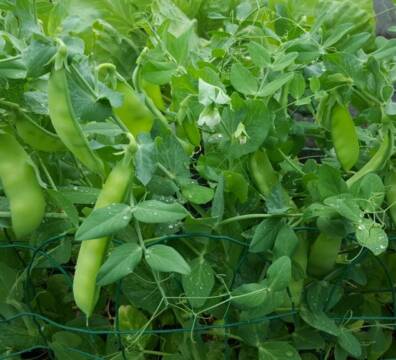
Peas are cool-season crops that grow well in a variety of soil types, such as loamy, sandy, and clay soils. The plant thrives in well-drained, fertile soils with a pH level ranging between 6.0 and 7.5. Peas prefer temperatures between 18°C to 24°C and require moderate rainfall (around 500 mm to 1,500 mm per year) to ensure proper growth. They can also tolerate light frost, making them suitable for regions with cool weather conditions.
The irrigation system is crucial, especially during dry spells, as peas require consistent moisture for proper growth, particularly during flowering and pod-setting. Proper land preparation—plowing, leveling, and adding organic matter—helps in achieving optimal soil conditions for pea cultivation.
Get Completely Custom Bankable Project Report
Cultivation and Farming Practices
Seed Sowing and Planting
Peas are grown from seeds, which are typically sown 1-2 cm deep into the soil, with rows spaced about 30 cm to 40 cm apart. The seeds are sown directly into the soil, but in some cases, nursery-raised seedlings are transplanted for better yield. The ideal planting season in India is October to December, coinciding with the winter months when temperatures are favorable.
Spacing and Irrigation
Proper spacing of plants at 15-20 cm intervals within rows ensures adequate air circulation and sunlight. Adequate watering is essential to keep the soil consistently moist but not waterlogged. During the flowering and pod-setting stages, more frequent irrigation is needed to support pod development.
Fertilization and Pruning
Peas are typically fertilized with well-decomposed organic manure like compost, vermicompost, or farmyard manure to provide essential nutrients. Additionally, peas benefit from a balanced fertilizer, particularly during the vegetative growth stage. Regular pruning and weeding help in controlling the growth of competing plants and pests.
Pest and Disease Management
Peas are susceptible to pests such as aphids, whiteflies, caterpillars, and fungal diseases like powdery mildew. Farmers can control these pests using organic methods such as Neem oil, or by applying pesticides when necessary. Integrated Pest Management (IPM) practices should be adopted to minimize the environmental impact of chemical usage.
Harvesting and Post-Harvest Management
Peas are typically ready for harvest 60-70 days after sowing, depending on the variety. Harvesting should occur when the pods are plump but still tender, as over-mature pods become tough. Peas are hand-harvested by picking the pods gently to avoid damaging the plant.
The post-harvest process involves sorting and cleaning the peas. Fresh peas are stored in cool, dry storage to prevent spoilage, while canned and frozen peas are processed for longer shelf life. Value-added products, such as pea protein and pea flour, are also gaining popularity, offering additional revenue streams.
Market Potential Of Pea Farming
The market potential for pea farming in India is immense due to several factors:
Domestic Market
India’s domestic market for peas is significant, driven by growing consumption across households, restaurants, and food processing industries. As peas are a staple ingredient in Indian dishes like Aloo Matar and Chana Masala, the demand is consistently high. The growing health consciousness among Indian consumers has also increased the demand for frozen, canned, and fresh peas, adding to the market growth.
Export Potential
India has a robust export market for peas, particularly to Middle Eastern, European, and Asian countries. Peas are a preferred vegetable in Middle Eastern cuisines, and Indian peas are considered high-quality and cost-effective compared to those from other countries. India’s pea exports reached approximately 1.4 million metric tons in 2018-2019, and this is expected to increase as demand for peas rises globally.
Market Growth Projections
The global market for pea-based products is expected to grow at a CAGR of 10.1%, reaching USD 5 billion by 2026. India, being one of the largest producers of peas, stands to benefit significantly from this trend.
Government Support
The Indian government has implemented several initiatives to support the growth of pulses and vegetable farming, including peas. Programs like the National Food Security Mission (NFSM), which provides subsidies for inputs like seeds and fertilizers, along with financial support for irrigation systems, have bolstered the pea farming industry.
Expenses

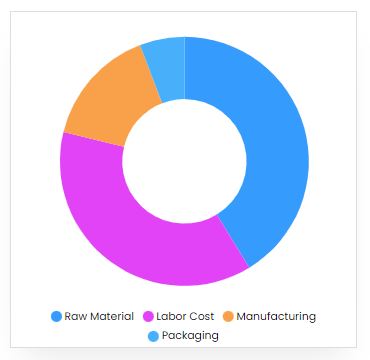
Product Cost Breakup
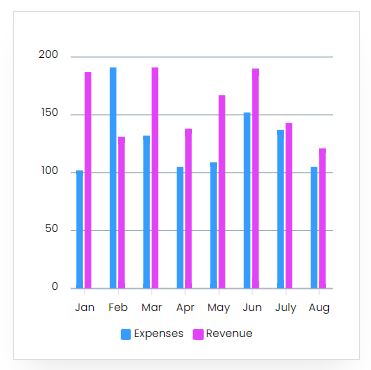
Reveneue Vs Expenses
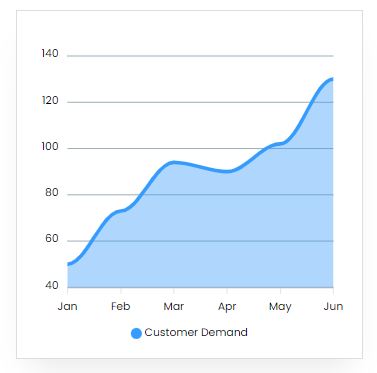
Market Trend
Challenges and Recommendations
Water Scarcity
Peas require consistent moisture during their growing season. In regions with irregular rainfall, drip irrigation systems and rainwater harvesting practices should be promoted to reduce dependence on unpredictable rainfall patterns.
Pest Management
To reduce the reliance on chemical pesticides, farmers should focus on organic farming techniques and IPM practices. This will not only protect the environment but also cater to the growing demand for organic peas in the market.
Market Access and Price Volatility
While pea farming has high potential, farmers face challenges related to price volatility and market access. The government and cooperatives should focus on building market linkages and providing cold storage and processing units to help stabilize prices and improve farmers’ profitability.
Conclusion
Pea farming in India has significant market potential, both domestically and internationally. With the increasing demand for peas in India and the growing export market, it is a profitable and sustainable venture for farmers. By adopting modern farming techniques, improving irrigation systems, and focusing on pest management, farmers can increase productivity and contribute to the country’s agricultural growth.