
Project Report for Punch Tool Manufacturing
Punch tools are the type of product that every engineering workshop, sheet metal shop, and auto ancillary unit requires: small metal tools that are subjected to daily abuse and must be replaced on a regular basis. Punch tool manufacture is a potential MSME business due to the ongoing demand for replacements. Sharda Associates creates CA-certified punch tool manufacturing project reports and has delivered over 45,500 of them. Starting at ₹2,999.
Get free Sample
What Is a Punch Tool and What Types Can Be Manufactured?
A punch tool is a hand tool made of precision metal that is used to mark, pierce, align, or drive things in metal, wood, leather, and other materials. It is often made up of a hardened steel body with a pointed or contoured working end and a striking end that takes hammer blows.
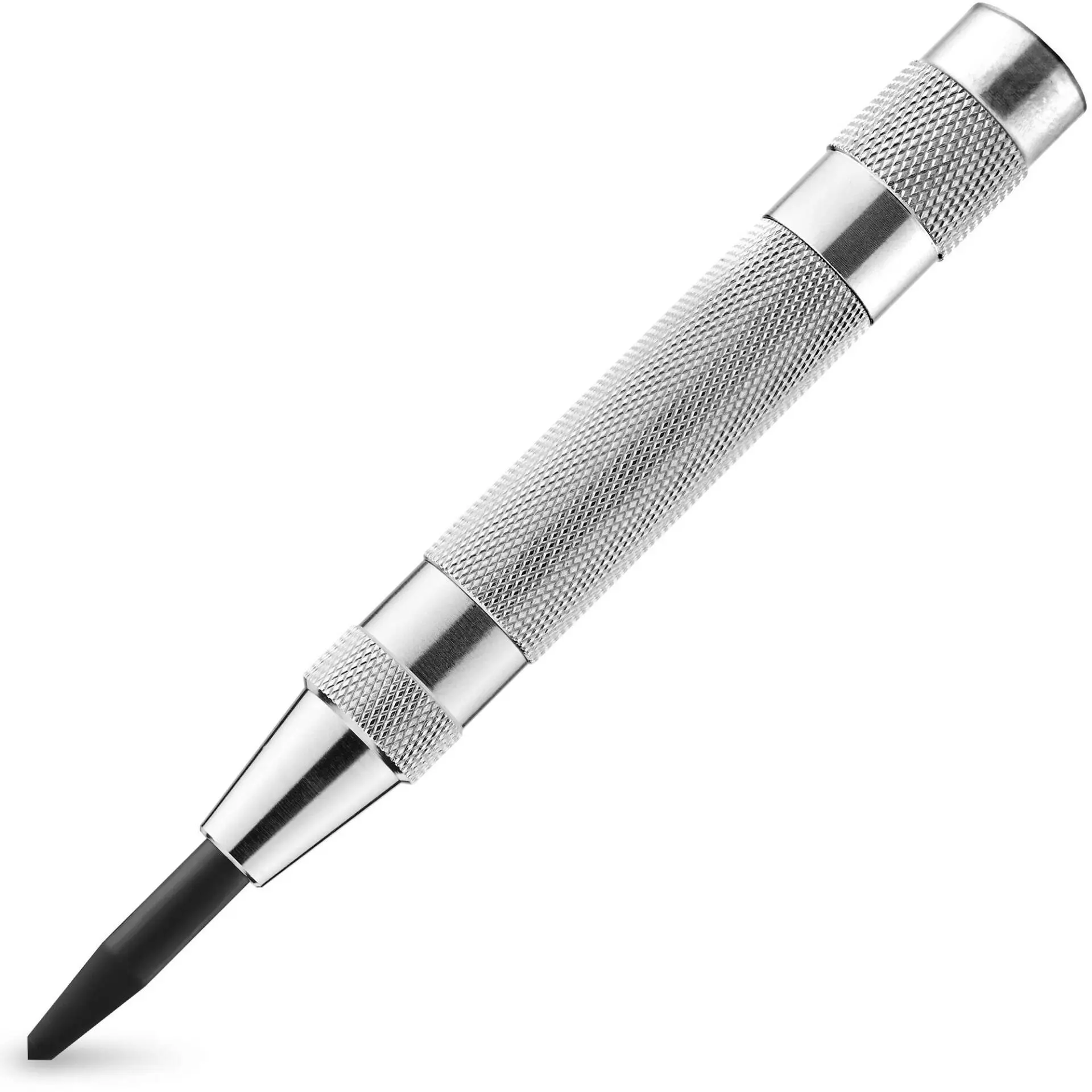
Centre Punch: Used to make a small indentation (center mark) on metal surfaces before drilling to keep the drill bit from wandering. Among the most often used marking tools in any engineering facility.
Prick Punch: Similar to a center punch, but with a sharper tip angle (30° vs. 60°) for detailed layout marking. Frequently manufactured alongside center punches on the same production line.
Pin Punch (or Drift Punch): A parallel-sided tool used to extract pins, bolts, or rivets from holes. A set has multiple diameter diameters (2mm to 12mm is the normal range).
Hollow Punch (Leather/Gasket Punch): A cylindrical hollow instrument used to create neat holes in leather, rubber, gaskets, and thin sheet materials. Tube stock-based production differs from solid punches.
Chisel Punch/Cold Chisel: A flat-ended tool for cutting or shaping metal. Similar to but distinct from pointed punches, they require the same steel grade and heat treatment.
What Is the Manufacturing Process for Punch Tools?
Punch tool manufacture is a metal shaping and finishing process. The specific procedure depends on whether the company does forging-based or machining-based production.
The raw material for economy-grade punches is high-carbon steel (C45, C55). Professional-grade punches are made of alloy tool steel (EN8, EN31, T8, or chrome-vanadium steel for premium quality). The steel grade determines the possible hardness, wear resistance, and impact toughness, which are the three key performance criteria for a punch tool.
Forming — Two Routes:
Drop Forging: The punch blank is heated and formed using a drop hammer or press, resulting in a grain structure aligned with the tool’s axis, which provides improved toughness and impact resistance. Standard method for producing high-quality punch tools. A drop forging press (the largest capital item) is required, or the forging blank can be outsourced to a forging company.
Heat Treatment (Critical Step): Hardening and tempering turn a formed piece of steel into a usable punch tool. Hardening (heating to 780-850°C and quenching in oil or water) enhances hardness, while tempering (reheating to 150-250°C) reduces brittleness to achieve the ideal balance of hardness and toughness.
Finishing: techniques include tip grinding (to the proper point angle), polishing or shot-blasting (surface finish), and surface grinding (to achieve dimensional precision). Electroplating gives chrome or nickel-plated punches an attractive finish and corrosion resistance.
Marking and Packaging: Brand marking, size marking (stamped or laser-etched), and packaging (individually shrink-wrapped, or in sets with a blow-molded or metal casing for set products).
Who Buys Punch Tools — The Market
Engineering workshops and fabrication shops: Center punches and pin punches are daily consumables used in every metal fabrication facility. These clients frequently repair worn-out or misplaced punches and purchase from nearby hardware or tool distributors.
Pin punches are a common instrument used in auto: workshops and garages to drive out pins and bolts during repairs. Punches are also used in assembly and maintenance by auto auxiliary manufacturers.
Infrastructure and construction: A sizable, recurring market for cold chisels and flat punches used in site work, steel construction, and masonry.
Hardware and tool shops are the distribution channel; they acquire in bulk from producers at trade margins and sell to end customers. GeM (Government e-Marketplace) is an essential channel for tool manufacturers who supply government workshops, railways, defence, and public sector maintenance teams.
Export potential: Indian hand tools (including punches) are sold to Middle Eastern, African, and Southeast Asian markets, where Indian production is a cost-competitive alternative to European tool manufacturers. Export provides a substantially wider target market for a quality-conscious MSME company.
BIS Standards and Quality Requirements
BIS IS 4218: is the relevant Indian standard for punches, encompassing dimensions, material specifications, and performance standards. BIS certification is not required for all punch sizes in all markets, but BIS-marked tools are frequently specified for delivery to PSUs, government workshops, defense installations, and major industrial clients.
Hardness: The working end of a punch tool is typically defined at 55-62 HRC, with a regulated drop in hardness toward the striking end (to minimize mushrooming of the struck end, which poses a safety concern – flying metal chips from overworked striking ends pose a serious injury risk).
Electroplating/surface coating: When corrosion protection or cosmetic finish is required, chromium or nickel plating to acceptable IS criteria should be used.
A punch tool manufacturing project report should include material specifications (steel grade), heat treatment parameters, and quality testing (hardness testing), as these are the questions a serious industrial buyer will ask before placing an order.
Project Cost for Punch Tool Manufacturing
Component | Small Unit (₹) | Medium Unit (₹) |
Lathe machine (for machining route) | 1,50,000–3,50,000 | 3,50,000–8,00,000 |
Heat treatment furnace (hardening) | 1,00,000–2,50,000 | 2,50,000–6,00,000 |
Surface grinder | 1,50,000–3,00,000 | 3,00,000–7,00,000 |
Drop forge press (if forging route) | — | 8,00,000–20,00,000 |
Drill, bench grinder, hand tools | 50,000–1,00,000 | 1,00,000–2,50,000 |
Raw material stock (steel bar/rod) | 1,00,000–2,50,000 | 2,50,000–6,00,000 |
Working capital | 50,000–1,50,000 | 1,50,000–3,00,000 |
Total (machining route) | ₹5.50–14 lakh | ₹14–32.50 lakh |
Total (forging route) | — | ₹22–40 lakh |
Machining-route small unit fits PMEGP (up to ₹50 lakh manufacturing ceiling) with 15-35% subsidy. Medium forging units suit MSME term loans.
Why Choose Sharda Associates
- More than 45,500 project reports were delivered : Strong background in metal engineering, hand tools, forging, machining, and precision manufacturing projects.
- Steel Grade and Heat Treatment are properly documented : The report appropriately reflects material specifications, hardening procedures, and quality criteria.
- The right manufacturing process has been identified : Your investment capacity and product range determine whether you choose forging or machining-based production.
- B2B Market Analysis Included : Tool dealers, industrial customers, hardware wholesalers, OEMs, and GeM marketplace potential are all addressed.
- BIS Compliance Requirements: BIS standards, certification expenses, and compliance methods are documented as needed.
- Export Opportunities Highlighted : Markets in the Middle East, Africa, and Southeast Asia have been highlighted for future company expansion.
- Starting at ₹2,999 · 24–48 working hours ·
📞 +91 89899 77769 | All India service
Frequently Asked Questions
Precision metal hand tools, such as center punches, pin punches, hollow punches, and cold chisels, are manufactured for use in engineering workshops, auto garages, fabrication shops, and building sites. These are consumable instruments that are frequently changed owing to wear and loss, resulting in structural recurrent demand. Machining-route production is affordable at MSME scale (₹5.50-14 lakh) and suitable for PMEGP subsidies.
High-carbon steel (C45, C55) for economy-grade punches is commonly available and reasonably priced. For professional-quality punches, use alloy tool steel (EN8, EN31, or chrome-vanadium for premium grade). The steel grade determines possible hardness (HRC), wear resistance, and impact toughness, the three performance measures used to separate market quality tiers.
The final hardness and toughness of the punch tool are determined by heat treatment, which includes hardening (heating to 780-850°C, quenching in oil/water), and tempering (reheating to 150-250°C). Too soft, and the instrument deforms; too brittle, and it shatters. The working end requires 55-62 HRC hardness, whereas the struck end requires controlled lower hardness to avoid harmful mushrooming. Consistent heat treatment distinguishes reliable quality products from unpredictable output.
Forging is the process of heating steel blanks and shaping them using a drop hammer, which results in stronger grain structure and impact durability at a higher capital cost (drop forge press). Machining bar stock on a lathe is simpler and less capital intensive, but the grain structure is not as perfect. Machining is a common and useful MSME process for punches ranging from low to mid-grade. Premium professional tools are frequently constructed from forged blanks.
Engineering workshops (daily-use consumables), auto repair workshops (pin punches for assembly/disassembly), fabrication and sheet metal shops, construction sites (cold chisels), and hardware/tool retailers serve as distribution channels. GeM (Government e-Marketplace) is a key source of supply for government workshops, railways, and defence maintenance units.
BIS IS 4218 specifies punches. BIS certification is not uniformly required for all markets, although it is becoming increasingly common for PSU supply, government contracts, defense, and export. Many MSME manufacturers begin without BIS labeling for local hardware store and direct workshop sales and gradually transition to it as their business grows. The project report should include information about BIS compliance and certification plans.
Starting at ₹2,999, with 24-48 hour delivery. Production route (forging vs machining) accurately defined, steel grade and heat treatment documented, B2B market and distribution channel, GeM marketplace, BIS IS 4218 compliance highlighted, and PMEGP or MSME term loan format specified. If the bank or the PMEGP authority has any concerns, they can request a free revision. Call +91 89899 77769.
A small MSME punch tool production unit usually needs a lathe, drilling machine, bench grinder, power press (optional), heat treatment furnace, tempering setup, measuring instruments, and finishing equipment. Units produced by the machining route can begin with a lesser investment, but forging-based manufacturing necessitates extra forging and hammering equipment. Proper machinery selection is determined by production volume, product range, and quality criteria for the target market.