
Feasibility Report On Salt Manufacturing
Salt Manufacturing involves the extraction of salt from natural sources like sea water or salt mines. The process includes evaporation, crystallization, and purification. This vital mineral serves as a fundamental ingredient in various industries, such as food, chemical, and de-icing industries.
Introduction
Feasibility Report For Salt Manufacturing.
The salt manufacturing industry in 2026 is a fundamental and essential sector supporting food processing, chemical industries, pharmaceuticals, and water treatment. Salt, chemically known as sodium chloride (NaCl), is a basic yet highly demanded mineral used across multiple industries. Due to its wide applications and continuous demand, the salt manufacturing business in India is considered a stable and feasible venture with strong long-term growth potential.
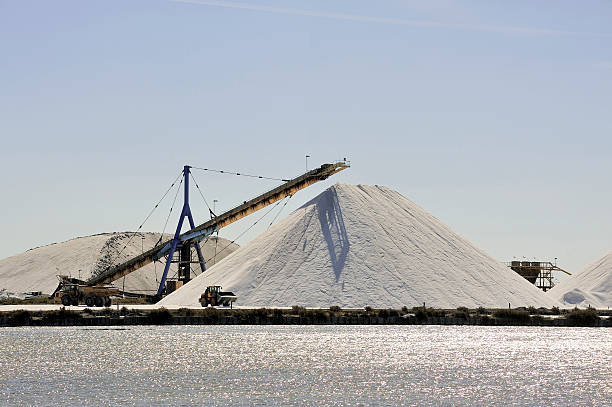
Salt production is primarily carried out through two methods: solar evaporation and mining (solution mining or rock salt extraction). In coastal regions, seawater is collected in large evaporation ponds where sunlight and wind help in natural crystallization.
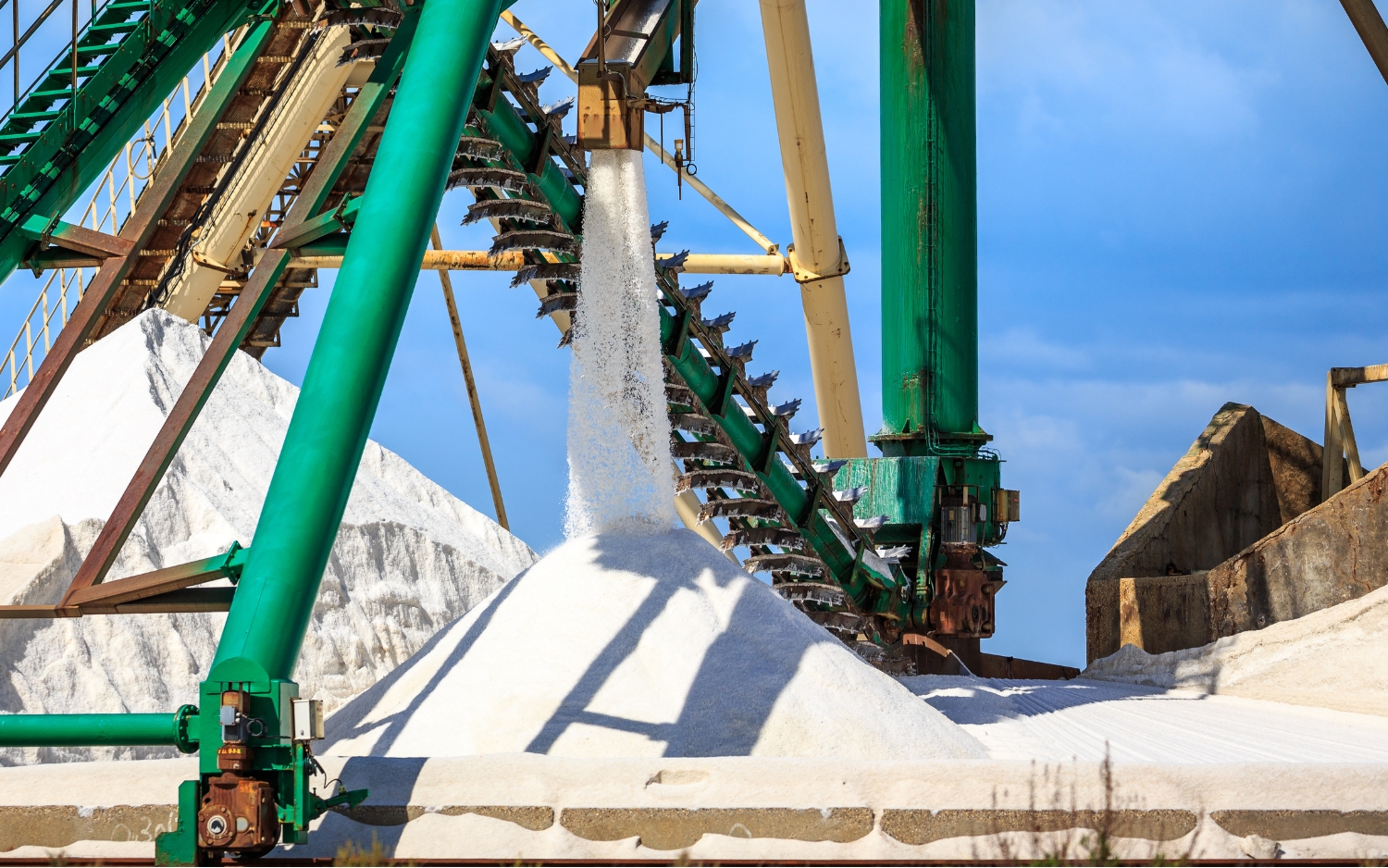
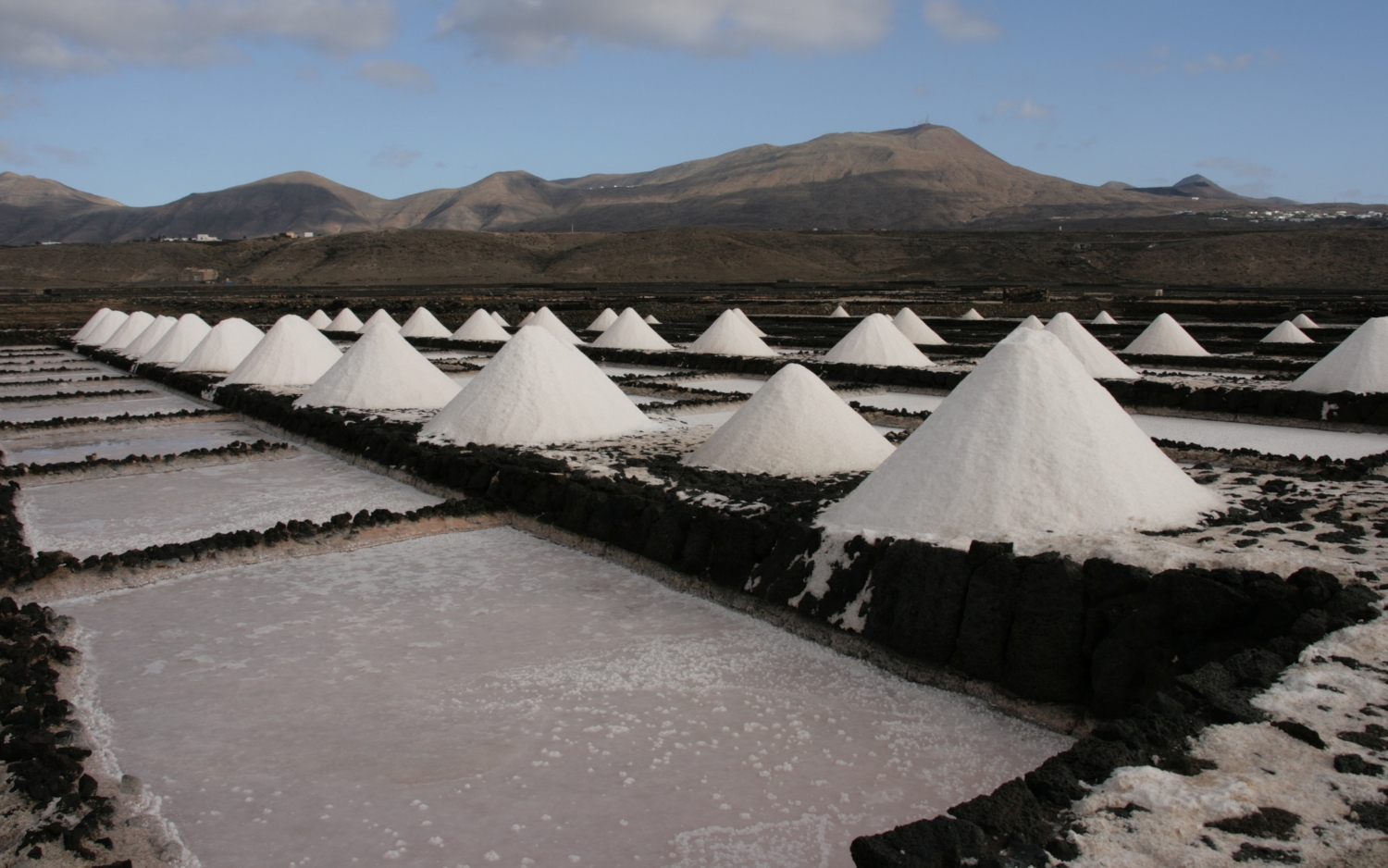
The manufacturing process involves collection, evaporation or extraction, crystallization, washing, refining, and packaging. Additional processes such as iodization, anti-caking treatment, and grading are carried out depending on the end use. Quality control is important to ensure purity, moisture levels, and compliance with food safety and industrial standards. Automated systems are increasingly used to maintain consistency and reduce operational losses.
The salt industry in India plays a crucial role in both domestic consumption and exports. India is one of the largest producers and exporters of salt globally, supplying edible salt, industrial salt, and specialty salts. In 2026, demand continues to rise due to growth in sectors like chemicals (chlorine and caustic soda), pharmaceuticals, agriculture, and food processing industries.
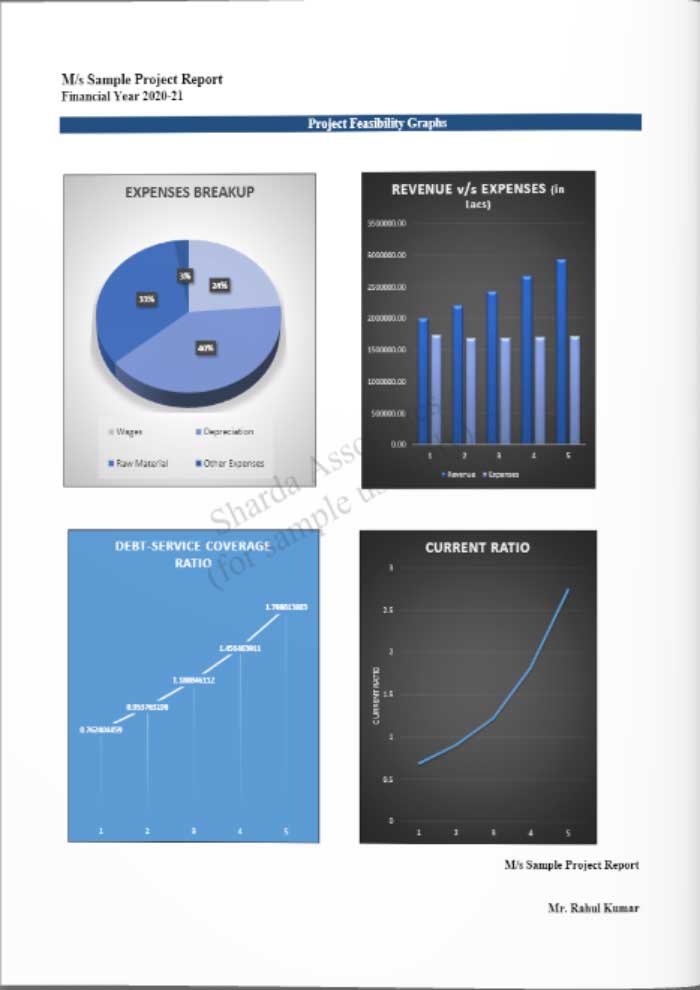
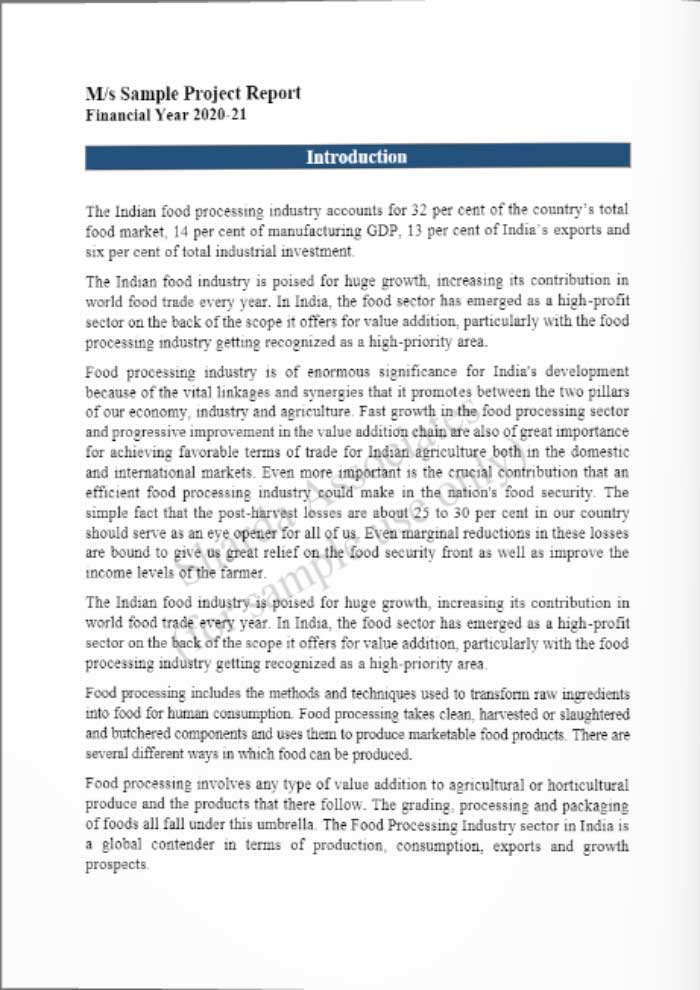
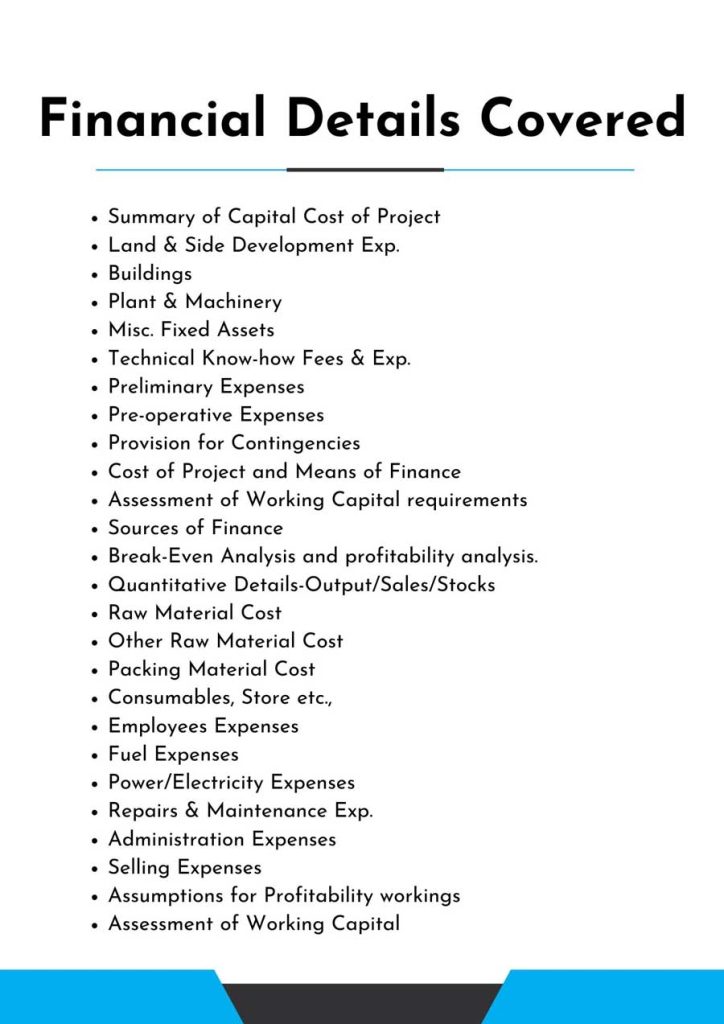
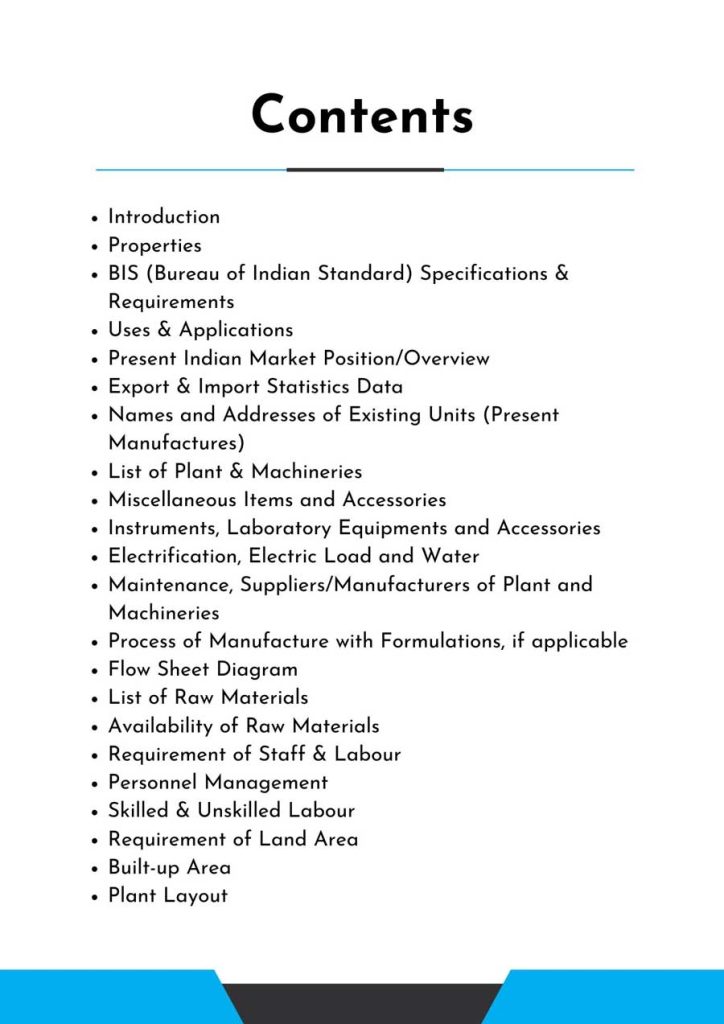
Feasibility Report Sample On Salt Manufacturing
Market Strategy of Salt Manufacturing
The market for industrial salts is predicted to increase at a compound annual growth rate (CAGR) of 6.43% from 2026 to 2030, from a size estimated at USD 15.3 billion in 2026 to USD 26.8 billion by 2030.
The global industrial salt market is witnessing steady growth, with increasing demand for water treatment, chemical processing, and de-icing applications. Although de-icing is more relevant in colder regions globally, industrial applications remain the major demand drivers. In India, rising industrialization and infrastructure development are further boosting the demand for salt and its derivatives.
From a feasibility perspective, the salt manufacturing business in 2026 is highly viable due to low raw material costs, a simple production process, and consistent demand. However, profitability depends on location (coastal advantage), weather conditions, logistics, and market linkages. With proper planning, quality production, and efficient distribution, salt manufacturing offers a sustainable and scalable business opportunity.

Frequently Asked Questions
Salt manufacturing is the process of extracting salt from seawater, brine, or underground deposits using evaporation or mining methods. It is used in food, chemicals, pharmaceuticals, and water treatment, making it an essential and continuously demanded industry.
Investment depends on scale and location. Small-scale units may start from ₹10–25 lakhs, while large-scale operations can require ₹1 crore or more. Costs include land (preferably coastal), equipment, labor, and working capital.
The main types include edible salt (iodized), industrial salt, and specialty salts. Edible salt is used for consumption, while industrial salt is used in chemical industries, water treatment, and manufacturing processes.
Profit margins usually range from 10% to 25%, depending on production scale, quality, and market demand. Bulk industrial supply offers stable income, while branded edible salt can provide higher margins.
Yes, it is profitable due to consistent demand and low raw material cost. Growth in chemical industries and food processing ensures stable revenue, making it a reliable long-term business opportunity.
Challenges include dependency on weather for solar production, transportation costs, price competition, and maintaining quality standards. Location plays a critical role in profitability and operational efficiency.
Salt is widely used in food processing, chemical manufacturing (chlorine, caustic soda), pharmaceuticals, agriculture, water treatment, and detergents, making it a multi-industry demand product.
The salt industry is expected to grow steadily due to rising industrial demand, chemical processing needs, and export opportunities. Innovation in refined and specialty salts will further boost market potential.