
Project Report For Mineral Water Plant
Introduction
Project report for Mineral Water Plant is as follows.
Water is one of nature’s most precious gifts. Just like humans, animals also need it to survive. However, the water we find in nature—like in wells, boreholes, or springs—is often not clean enough to drink safely because it can contain germs or dirt. To make it safe, this water must be purified and bottled under very clean conditions.
Mineral water is essentially this purified water, but with a healthy twist. It has small amounts of natural minerals added back into it, such as Iron and Manganese, which our bodies need to stay healthy. This water can either come from deep natural springs or be made by carefully adding mineral salts to purified water. To keep it safe for you to drink, the water is cleaned, treated, and then filled into sterilized bottles in a factory that is kept perfectly germ-free.
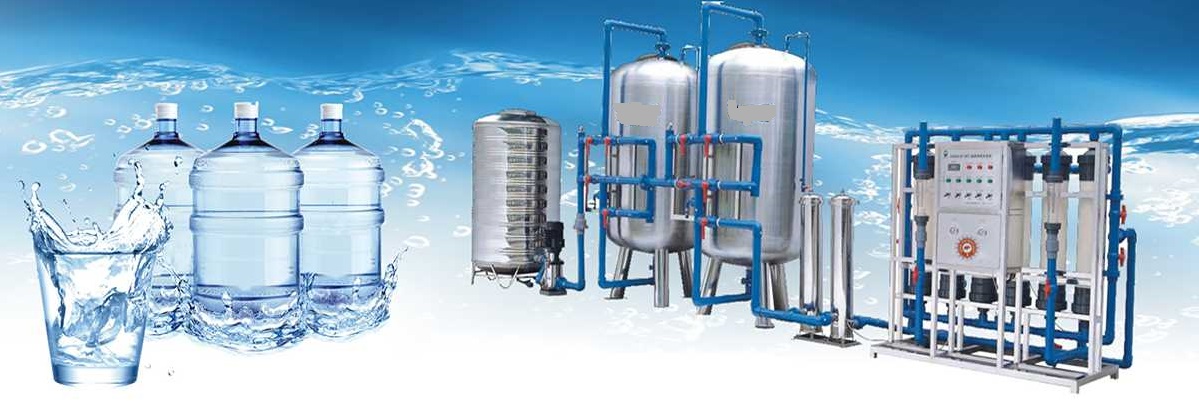
Process Of Mineral Water Plant
Collection and Storage:- Collection and Storage is the very first step, where raw water is pumped from a deep underground borewell or a natural spring into a large holding tank. This stage acts like a “gathering point” that ensures the factory has a steady, non-stop supply of water to work with throughout the day.
Multi-Level Filtering (The “Big Clean”):- the water goes through a process called Reverse Osmosis (RO), which is like the ultimate security guard for your water. The water is pushed with high pressure through a very tight, cloth-like sheet called a membrane that has holes so tiny that only pure water molecules can fit through.
3. Reverse Osmosis (The “Deep Clean”): This is the most important part, often called RO. The water is pushed through a very tight membrane (a thin sheet with tiny holes). It is so tight that it only lets water through, leaving behind germs, salts, and heavy metals.
4. Adding Good Minerals (Fortification):–since the RO process can sometimes remove everything, the plant adds back a small, healthy amount of minerals like Magnesium and Potassium. This gives the water its “mineral water” name and makes it taste better.
5. Killing Germs (Sterilization):-To make 100% sure there are no bacteria left, the water passes through two “germ-killers”:
UV Light: It passes under a purple light that kills germs.
Ozone: A special type of oxygen is bubbled through the water to keep it fresh inside the bottle.
6. Filling and Bottling:-finally, the water goes into a clean room where machines wash the bottles, fill them with water, and put the caps on tightly. Everything is done by machines so that human hands don’t touch the water, keeping it perfectly hygienic.
Market Potential Of Mineral Water Plant
The market potential for a mineral water plant is massive because clean drinking water is a basic human necessity that nature cannot always provide safely. In many places, underground water is either contaminated with harmful chemicals or dangerous germs that cause serious diseases. Because of this, people no longer trust raw tap or well water and are moving toward bottled water for safety. Even though there are already big brands in the market, the gap between the amount of water people need and what is currently available is still huge, especially in growing towns and busy cities.
There is a golden opportunity for new businesses because bottled water is now used everywhere—from offices and hospitals to railway stations and even at home during parties or travel. The demand peaks during the hot summer months, but it stays strong all year round as people become more health-conscious. Since the supply hasn’t caught up with the growing population, setting up a mineral water plant in almost any part of the country is a very smart and profitable move. It is a business that not only makes money but also provides a vital service by keeping people healthy and safe from water-borne illnesses.
Project Report Sample On Mineral Water Plant

Need Help?
Create 100% Bankable Project Report