
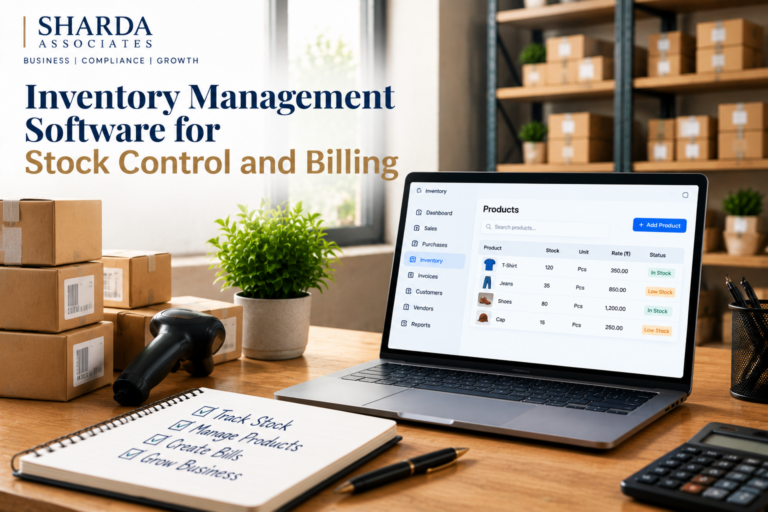
Stock control and billing are handled as two separate problems in most small businesses: a notebook or spreadsheet for inventory and a separate manual process for invoicing, and this gap is exactly...

Running a small business involves managing multiple activities every day: sales, purchases, customer payments, expenses, GST invoices, and financial records. Many businesses initially manage all of...
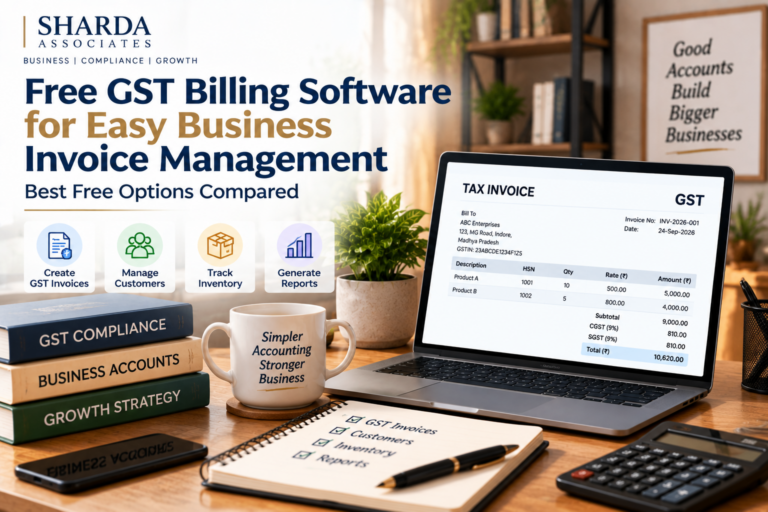
Managing GST-compliant invoices manually is one of the most common bottlenecks for small businesses in India, since a single formatting error or missed HSN code can create mismatches during return...
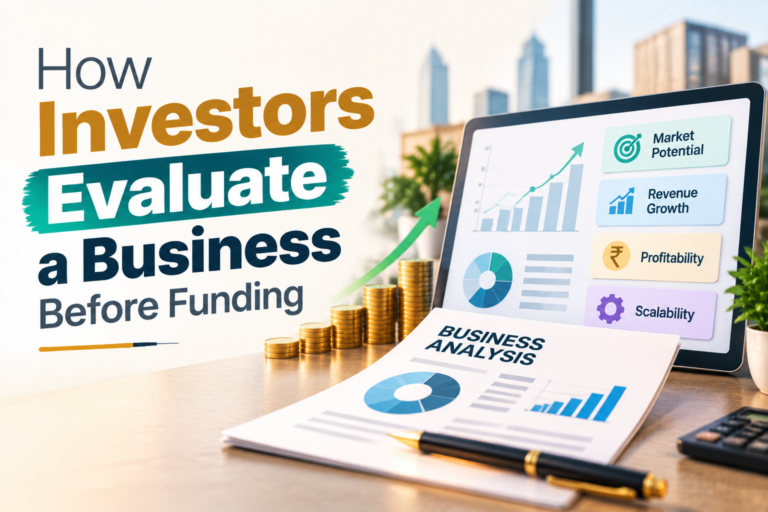
Getting an investor to say yes is rarely about the pitch deck alone; it comes down to whether the underlying business can withstand the specific questions an investor is trained to ask. Understanding...
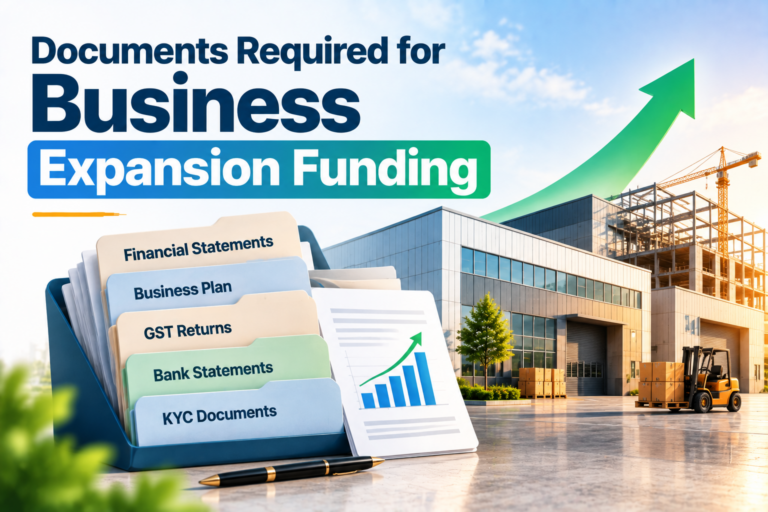
Business Expansion funding is assessed differently from a fresh startup loan, since the bank already has an operating history to compare against your projections, and any gap between past performance...

Starting a new business almost always means arranging capital before the first rupee of revenue comes in, and this is exactly where most first-time entrepreneurs get stuck, unsure which loan scheme...

Disbursement is the stage where the bank actually transfers your sanctioned loan amount — either in a single payment or in stages, depending on the loan type and purpose — after you’ve accepted...

A MSME collateral-free loan means the bank doesn’t ask you to pledge property, gold, or other assets as security — but it’s rarely “no questions asked” credit. Most...
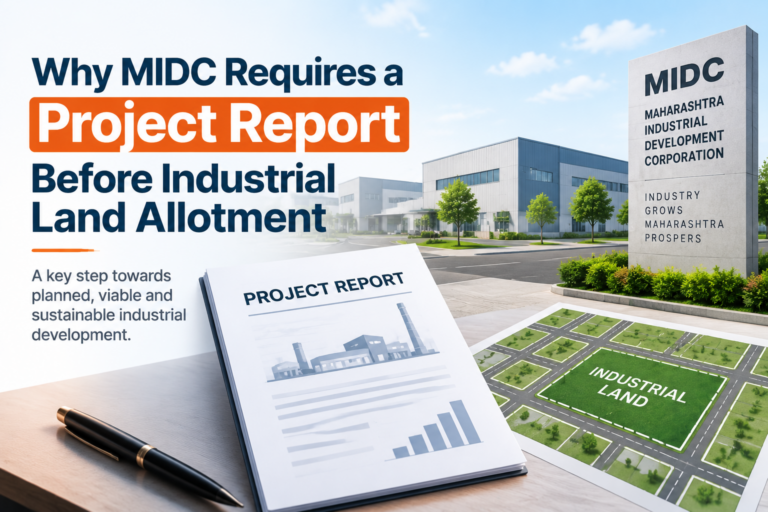
Applying for industrial land through MIDC is not only a land requirement process; it is also an evaluation of whether the proposed industrial project is practical, financially planned and capable of...