Feasibility Report on Tourism Project
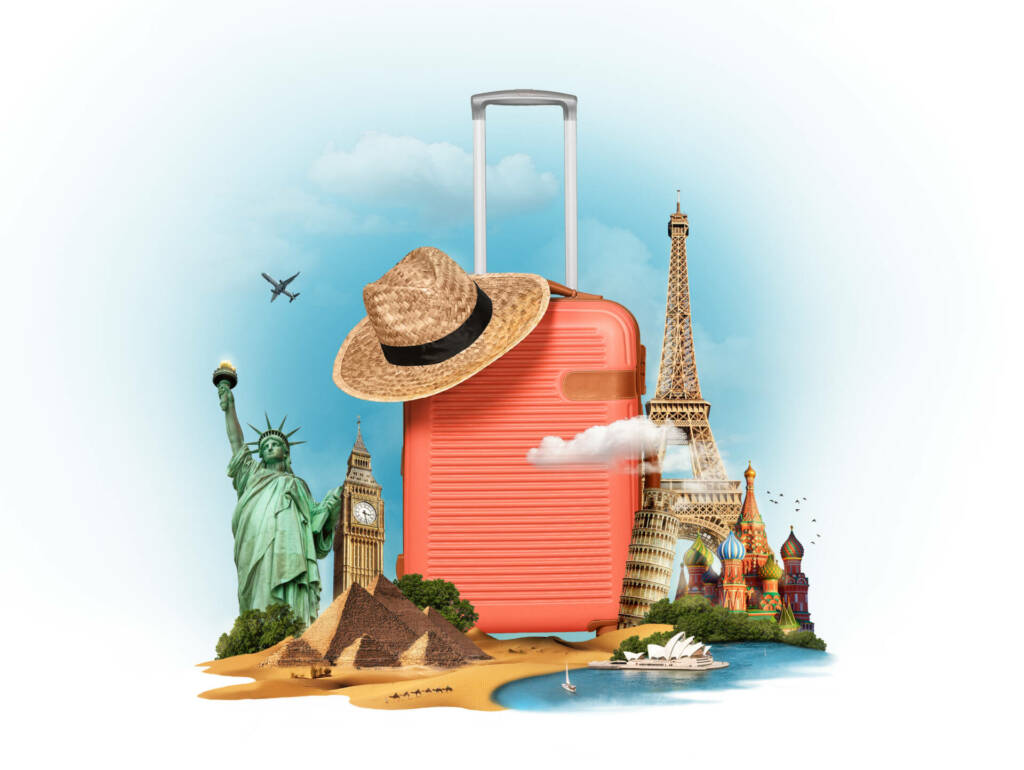
Tourism is defined as the act of traveling from one’s usual place of residence to another destination for a short period. It includes various activities that tourists engage in during their journey, which may range from leisure to business purposes. The tourism industry is not only a source of entertainment and recreation but also an important contributor to global economies.
What is Tourism?
Feasibility Report on Tourism Project.
Tourism refers to the activity of people traveling away from their habitual residence for a period of time, engaging in various activities related to recreation, leisure, business, or other social reasons. Over the years, tourism has evolved and diversified, giving rise to various niche tourism trends. These trends include:
- Heritage tourism – Exploring historical sites and cultural landmarks.
- Eco-tourism – Focused on visiting natural areas while minimizing environmental impact.
- Educational tourism – Traveling for learning purposes or cultural exchanges.
- Religious tourism – Visiting places of religious significance.
- Sports tourism – Traveling to attend or participate in sporting events.
- Film tourism – Visiting locations featured in movies and TV shows.
- Virtual tourism – Experiencing destinations through digital means, especially after the pandemic.
The tourism industry is vast and includes various businesses and services that facilitate travel. These services are spread across multiple sectors:
- Transportation – Air, rail, water transport, and car rentals.
- Accommodation—Hotels, motels, resorts, Bed & Breakfasts, campsites, etc.
- Food and Beverage – Restaurants, cafes, bars, nightclubs, etc.
- Entertainment – Casinos, spas, tourist guides, shopping, and other leisure activities.
Tourism can be broadly classified into domestic tourism (within the country) and international tourism (traveling to foreign destinations), both contributing significantly to the economy and development of infrastructure in the host regions.
Feasibility Report Sample On Tourism Project
Market Strategy Of Tourism Project
The travel and tourism industry has become one of the largest foreign exchange earners for India, generating $29.962 billion in 2019 and supporting approximately 39 million jobs. By 2029, India’s tourism sector is expected to grow at an impressive 6.7% annual rate, reaching nearly $35 trillion and creating 53 million jobs. This growth is driven by a combination of affordable travel, increasing disposable income, government support, and improvements in transportation and infrastructure.
In 2026, tourism is bouncing back after the pandemic, with domestic tourism expected to be the leading driver of recovery. As more people travel within the country to explore new destinations, businesses in hospitality, transportation, and entertainment stand to benefit. Government initiatives, such as the expansion of the e-visa program and the Swadesh Darshan and PRASHAD schemes for developing tourism infrastructure, are likely to stimulate further growth.
Government Initiatives and Policies
The Government of India has recognized tourism as a vital sector for economic recovery and growth. In 2021, the Union Government allocated $171 million for the development of tourist circuits under the Swadesh Darshan Scheme in eight Northeastern states. Additionally, the PRASHAD scheme was allocated $30 million for the development of religious and spiritual circuits. These initiatives are aimed at enhancing tourist experiences and providing necessary infrastructure.
India’s Ministry of Tourism has been instrumental in shaping national policies to promote tourism. These policies focus on diverse sectors such as medical tourism, eco-tourism, rural tourism, and cruise tourism, which are actively promoted to attract both domestic and international visitors. The Incredible India campaign continues to serve as a beacon for global travelers, making India a must-visit destination.
The government is also focusing on creating smart cities and improving urban infrastructure, which will support the growth of the tourism industry. These developments will ensure better connectivity, affordable transportation, and modern amenities for tourists across the country.
Key Growth Drivers
- Social and Cultural Factors: The appeal of India’s rich culture, history, and diverse traditions attracts millions of tourists every year. Heritage, religious, and spiritual tourism continue to grow, with popular sites like Varanasi, Taj Mahal, Kerala backwaters, and Rajasthan drawing international visitors.
- Infrastructure Development: The continued development of airports, highways, and railways is improving accessibility to remote and rural destinations. Additionally, the development of tourist circuits and eco-friendly resorts is making new areas accessible to tourists.
- Technology Advancements: Online booking systems, contactless services, and virtual tourism experiences are becoming integral to the industry, offering tourists greater convenience and safety, particularly in the post-pandemic world.
India’s tourism sector is set for significant growth in the coming years, with sustainability and technology playing a crucial role. The increasing demand for eco-friendly travel options, such as green hotels and eco-tours, coupled with advancements in virtual reality (VR) and augmented reality (AR), will shape the future of the industry.
Tourism-related businesses, including hotels, transport services, event management companies, and travel agencies, are expected to experience steady demand as the economy recovers and the middle class continues to grow. Furthermore, with the government’s focus on promoting rural and offbeat destinations, new tourism ventures in lesser-explored regions can be highly profitable.
Given the growing global interest in India as a tourism destination, combined with the country’s rich cultural heritage and developing infrastructure, the tourism project market in India is set to remain a highly attractive sector for investment.