
Project Report For Mustard Green
Introduction
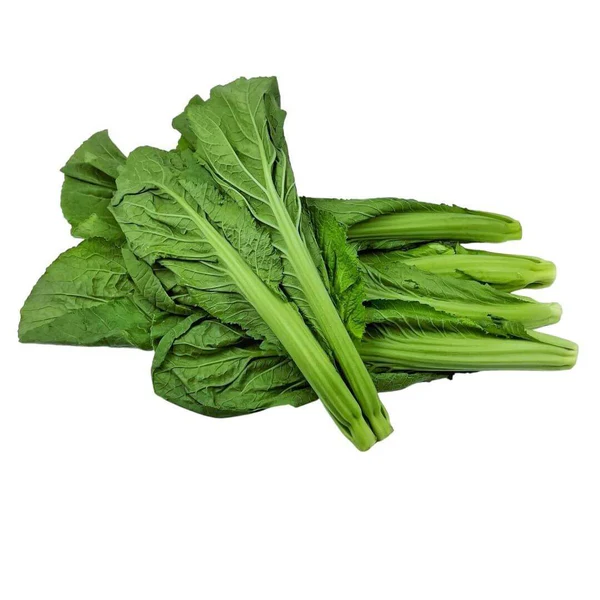
Mustard greens, scientifically known as Brassica juncea, are a popular leafy vegetable grown and consumed in India, as well as other parts of Asia. Known for their spicy, pungent flavor, mustard greens are highly valued in Indian cuisine and are also consumed in various international dishes. The plant is known for its edible leaves, stems, and seeds, all of which offer unique culinary applications. Mustard greens are packed with essential vitamins, minerals, and antioxidants, making them a nutritious choice for health-conscious consumers.
In India, mustard greens are predominantly cultivated in the northern and eastern regions, where the cool climate and fertile soil provide ideal growing conditions. The crop is typically sown during the winter months and harvested in the spring. Mustard greens are a hardy, low-maintenance crop that can tolerate light frost, which makes them suitable for cultivation in colder regions of the country. As demand for nutritious, green vegetables increases, mustard green farming presents a valuable opportunity for farmers, both for local consumption and export markets.
This Project Report outlines the cultivation practices, health benefits, and market potential of mustard green farming in India, with a focus on the growing demand for organic produce and the economic opportunities available for farmers in 2026.
Benefits of Mustard Green Cultivation
Mustard greens are not only popular for their culinary uses but also offer a wide range of health benefits. The key advantages of mustard green cultivation include:
- Rich in Nutrients: Mustard greens are packed with vitamins and minerals. They are an excellent source of Vitamin A, Vitamin C, and Vitamin K, which are essential for maintaining healthy skin, improving immune function, and supporting bone health. They are also rich in folate, calcium, iron, and magnesium, which contribute to overall health and well-being.
- High in Fiber: Mustard greens are an excellent source of dietary fiber, which aids in digestion, prevents constipation, and promotes gut health. Fiber also helps regulate blood sugar levels, lower cholesterol, and support weight management.
- Antioxidant Properties: Mustard greens contain several antioxidant compounds such as carotenoids, flavonoids, and glucosinolates. These antioxidants help protect the body against oxidative stress, reducing the risk of chronic diseases like heart disease, cancer, and diabetes.
- Anti-inflammatory Benefits: Mustard greens are known for their anti-inflammatory properties, which can help reduce the risk of inflammation-related health conditions, such as arthritis, respiratory issues, and cardiovascular diseases.
- Versatility in Cooking: Mustard greens can be consumed both raw and cooked. They are commonly used in salads, soups, stir-fries, and curries. The leaves also pair well with other vegetables, making them a versatile ingredient in various cuisines.
Health Benefits: Due to their rich vitamin and antioxidant content, mustard greens help boost immunity, improve skin health, support heart health, and aid in detoxification. They also have digestive benefits, as they promote healthy bowel movements and reduce bloating.
Get Completely Custom Bankable Project Report
Market Potential Of Mustard Green
The market potential for mustard green farming in India is significant due to the increasing demand for healthy, nutritious vegetables and the growing trend of organic produce. The demand for mustard greens is expected to rise as more consumers become aware of the health benefits of leafy greens.
Several factors contribute to the market potential for mustard green cultivation:
- Growing Demand for Healthy Foods: As the awareness of the importance of a healthy diet increases, more consumers are opting for vegetables like mustard greens that are rich in vitamins, minerals, and fiber. Mustard greens are a popular choice for health-conscious consumers, particularly in urban areas.
- Increase in Organic Farming: Organic produce is in high demand as more consumers are seeking food that is free from synthetic chemicals and pesticides. Mustard greens can be grown using organic farming practices, catering to the rising demand for organic vegetables. Organic mustard greens typically fetch a higher market price, offering farmers greater profitability.
- Rising Popularity of Leafy Greens: As urbanization continues to grow, more people are looking for quick and healthy meal options. Leafy greens like mustard greens, spinach, and kale are increasingly being incorporated into daily diets. This growing preference for leafy vegetables contributes to the rising demand for mustard greens.
- Export Opportunities: India has the potential to become a major exporter of mustard greens due to the growing international demand for nutritious vegetables. Countries in the Middle East, Southeast Asia, and Europe are particularly interested in importing fresh and processed mustard greens, offering Indian farmers lucrative export opportunities.
- Government Support: The Indian government has been promoting the cultivation of high-value crops like mustard greens through various schemes. Programs such as the Pradhan Mantri Fasal Bima Yojana (crop insurance) and Pradhan Mantri Krishi Sinchai Yojana (irrigation support) provide financial assistance and resources to farmers, helping them improve productivity and manage risks.
- Increased Consumer Awareness of Nutritional Benefits: As people become more aware of the health benefits of mustard greens, the demand for this vegetable is expected to increase, both domestically and internationally. Mustard greens’ high nutritional value makes them a popular choice for consumers who are looking for affordable and healthy vegetables.
Opportunities for Mustard Green Farmers in 2026
The growing demand for mustard greens presents several opportunities for farmers in India:
- Organic Mustard Green Farming: As the market for organic products continues to expand, farmers can take advantage of the growing demand for organic mustard greens. Organic farming practices can help farmers achieve higher market prices and cater to health-conscious consumers who prefer chemical-free produce.
- Value-Added Products: Farmers can explore opportunities to create value-added mustard green products, such as frozen mustard greens, pickled mustard greens, and mustard green-based powders or supplements. These products have longer shelf lives and can be marketed year-round, providing a stable income for farmers.
- Expansion into Export Markets: As international demand for mustard greens increases, farmers can tap into export opportunities. By ensuring the quality of their produce and meeting international standards, Indian farmers can expand their reach to global markets and increase profitability.
- Leveraging Technology and Modern Farming Practices: The adoption of modern farming techniques, such as drip irrigation, greenhouse farming, and soil testing, can help farmers improve yield and reduce production costs. These technologies can also help farmers ensure the consistent quality of their mustard greens, making them more competitive in the market.
- Collaborations with Retailers and Supermarkets: As the demand for fresh produce increases, farmers can collaborate with local supermarkets, retailers, and e-commerce platforms to reach a broader consumer base. Establishing a direct supply chain to these markets can help farmers ensure that their produce is sold at a fair price and reaches consumers efficiently.
Conclusion
In conclusion, mustard green farming presents a promising opportunity for farmers in India, with significant market potential driven by increasing consumer awareness of health benefits and growing demand for nutritious vegetables. By adopting organic farming practices, diversifying into value-added products, and exploring export markets, farmers can maximize their income and contribute to the rising demand for healthy, sustainable food options. Government support, coupled with modern farming techniques, can further enhance the profitability of mustard green farming, making it a lucrative and sustainable venture for farmers in 2026.