
Project Report For Piston Ring
Introduction
The project report for Piston Ring is as follows.
Piston rings are a critical component used in internal combustion engines (ICE) and play a vital role in maintaining engine efficiency and performance. These rings are thin circular metal components that are fitted into grooves on the outer diameter of a piston. Their primary function is to seal the combustion chamber, maintain proper compression, and ensure efficient energy transfer during engine operation. Without piston rings, engines would suffer from loss of compression, excessive oil consumption, and reduced performance.
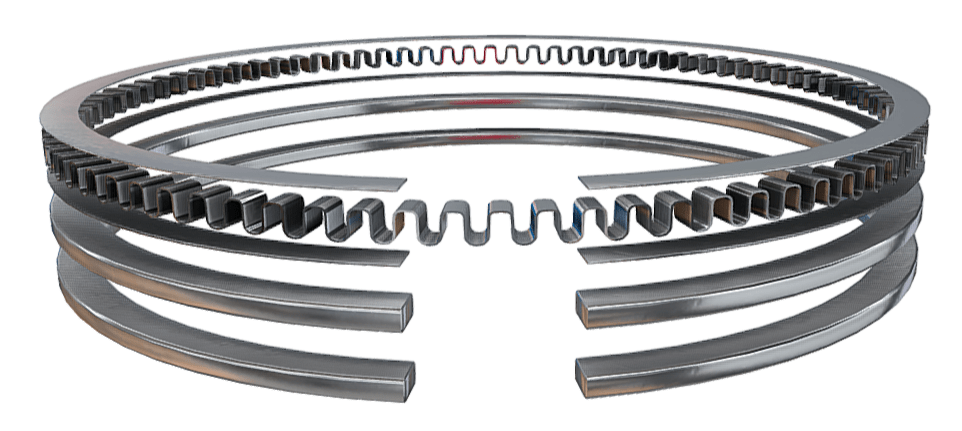
A piston ring is generally designed as a circular ring with a small gap that allows it to expand and contract during installation and operation. These rings are usually manufactured as single-piece components with thin walls and a slotted opening, enabling them to maintain constant contact with the cylinder wall. This design allows the ring to act as a self-tightening seal that adapts to the movement of the piston while maintaining the required pressure inside the combustion chamber.
In most engines, multiple piston rings are installed on each piston, and their number and functionality depend on the type and capacity of the engine. A typical four-stroke engine generally uses three piston rings: two compression rings and one oil control ring. Compression rings prevent combustion gases from escaping, while the oil control ring regulates the distribution of lubricating oil along the cylinder walls to reduce friction and wear.
Large engines such as marine diesel engines or heavy-duty truck engines may use three or more rings to handle higher combustion pressure and temperature. These rings also assist in transferring heat from the piston to the cylinder walls, preventing overheating and ensuring smooth engine operation. Because of their essential role in engine efficiency, piston rings are considered one of the most important components in the automotive and mechanical engineering industries.
Key Functions of Piston Rings
- Sealing the Combustion Chamber
One of the most important functions of piston rings is to seal the combustion chamber effectively. By maintaining a tight seal between the piston and the cylinder wall, piston rings prevent combustion gases from leaking into the crankcase. This ensures proper compression and efficient combustion, which improves engine performance and fuel efficiency. - Controlling Lubricating Oil
Piston rings regulate the amount of lubricating oil present on the cylinder walls. The oil control ring distributes a thin layer of oil to reduce friction between moving engine components while preventing excessive oil from entering the combustion chamber. - Heat Transfer from Piston to Cylinder Wall
During engine operation, a large amount of heat is generated in the combustion chamber. Piston rings help transfer this heat from the piston to the cylinder wall, allowing it to dissipate through the engine cooling system. This function helps maintain safe operating temperatures and prevents engine damage.
Maintaining Engine Stability and Reducing Wear
Piston rings help keep the piston aligned within the cylinder and prevent direct metal-to-metal contact between the piston and the cylinder wall. This reduces friction, minimizes wear, and increases the lifespan of engine components.
Market Potential Of Piston Ring
The piston ring manufacturing industry has experienced steady growth due to the expanding global automotive sector. The increasing production of passenger vehicles, commercial vehicles, and industrial machinery has significantly contributed to the rising demand for piston rings. These components are essential for internal combustion engines used in automobiles, tractors, construction equipment, marine vessels, and power generators.
According to industry reports, the global piston ring market was valued at approximately USD 1,890 million in 2021 and is expected to reach nearly USD 2,762 million by 2030, growing at a compound annual growth rate (CAGR) of around 3.8% during the forecast period. The growing demand for fuel-efficient vehicles and improved engine performance continues to drive the need for high-quality piston rings.
Another major factor supporting the market growth is the increasing demand for lightweight engine components. Automotive manufacturers are focusing on reducing engine weight while maintaining durability and performance. Lightweight piston rings help reduce friction, improve sealing efficiency, and enhance overall engine performance while lowering fuel consumption and emissions.
Additionally, the replacement and maintenance market also contributes significantly to the demand for piston rings. Engines used in commercial vehicles, agricultural machinery, and industrial equipment undergo regular wear and tear, requiring periodic replacement of piston rings during maintenance. This creates a consistent aftermarket demand, making piston ring manufacturing a promising business opportunity for entrepreneurs and investors.
Project Report Sample On Piston Ring

Need Help?
Create 100% Bankable Project Report