
Project Report For Wall Putty
Introduction
Project report for Wall Putty is as follows.
Wall putty is a fine powder made of white cement that is the “perfect base” for any painting project. It is applied to plastered walls and ceilings prior to the final layer of paint to fill up small gaps, cracks, and flaws. Think of it as a skin primer for your walls. Its primary function is to provide an extremely smooth and uniform surface so that the paint seems expert and remains vivid for many years.
Get Completely Custom Bankable Project Report
Wall putty is normally made of White Portland Cement mixed with specific polymers and fillers to provide it exceptional durability and water resistance. Wall putty, unlike traditional cement, is intended to be flexible and breathable. This keeps the paint from flaking or peeling off (delamination) as the wall expands or contracts due to temperature and humidity changes.
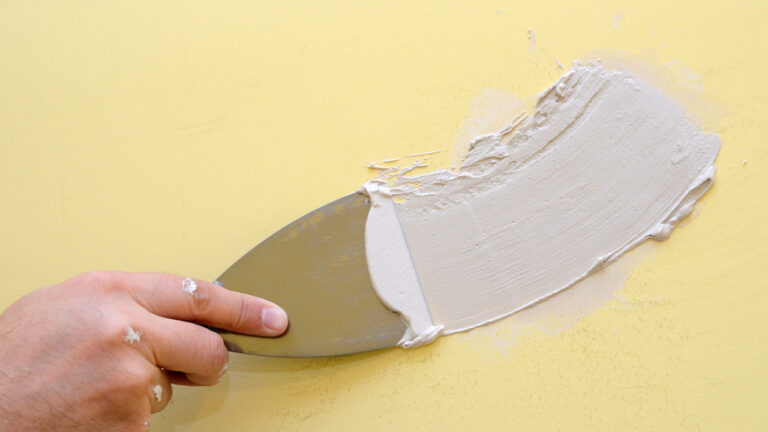
There are typically two types of wall putty: White cement and acrylic-based. Cement-based putty is the most common since it can be applied to both interior and outdoor walls and is extremely resistant to moisture. Acrylic-based putty is a ready-to-use paste that is typically used on interior surfaces to provide an extra-silky, high-quality finish for pricey paints.
Applying wall putty is an important stage in modern building because it drastically reduces the amount of paint required. The putty covers the “pores” of the concrete, so the wall does not “soak up” the expensive paint, saving the homeowner money. It also acts as a moisture barrier, ensuring that the walls remain lovely and free of unsightly fungus or dark patches for an extended period of time.
Market Potential Of Wall Putty
Expenses

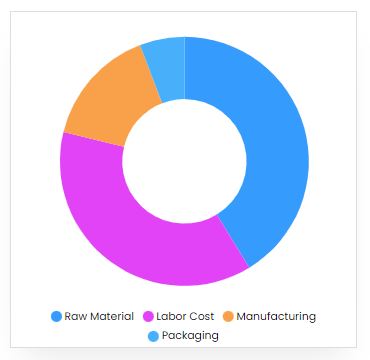
Product Cost Breakup
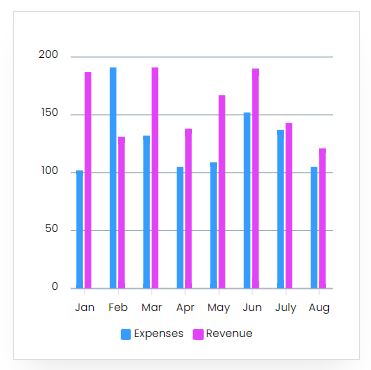
Reveneue Vs Expenses
Market Trend

The market potential for wall putty is vast, driven by a global trend toward high-quality housing and the “premiumization” of living environments. The global wall putty market is estimated to be worth $2.4 billion in 2026, with a projected increase to more than $4.4 billion by 2035. This growth is occurring at a CAGR (Compound Annual Growth Rate) of approximately 7%, positioning it as one of the most stable and in-demand areas in the construction material business.
A major driver is the expanding real estate and renovation industry. Wall putty is no longer an “optional” luxury in modern buildings; it is a must-have. Builders use it to cut paint use by up to 30% because the putty covers the pores of the wall, preventing them from “soaking up” expensive paint. With millions of new urban dwellings created each year, particularly in India and China, there is an unprecedented demand for a smooth, paint-ready base.
The market is also being boosted by government housing programs and urbanization. Initiatives like “Housing for All” and “Smart City” are compelling contractors to employ premium finishing materials in order to comply with contemporary building regulations. Putty is constantly needed for both new construction and the repainting of older flats as more people relocate to cities and demand visually beautiful, “flawless” interior walls.
Innovation in technology, such as eco-friendly and water-resistant putties, presents another significant possibility. Nowadays, producers are creating “Green” putties that are resistant to mildew and fungus and contain fewer volatile organic compounds (VOCs). Hospitals, schools, and upscale hotels are increasingly choosing these specialist items since they are more expensive, creating a “premium” market sector with even larger profit margins.
Subsequently, the market’s high profitability makes it very appealing to new companies. Gross profit margins in manufacturing facilities typically range from 30% to 40%. Because the production process is relatively simple and the raw materials (such as white cement) are readily available, entrepreneurs can establish local units to serve nearby construction hubs, reducing transportation costs and gaining access to a market that expands with each new bucket of paint sold.